
What a Staff Travel Voyage Really Means in 2026
Explore what a staff travel voyage means in 2026, from programme design and destination trends to why UK organisations are treating it as a strategic tool.
· By Wesley Baker
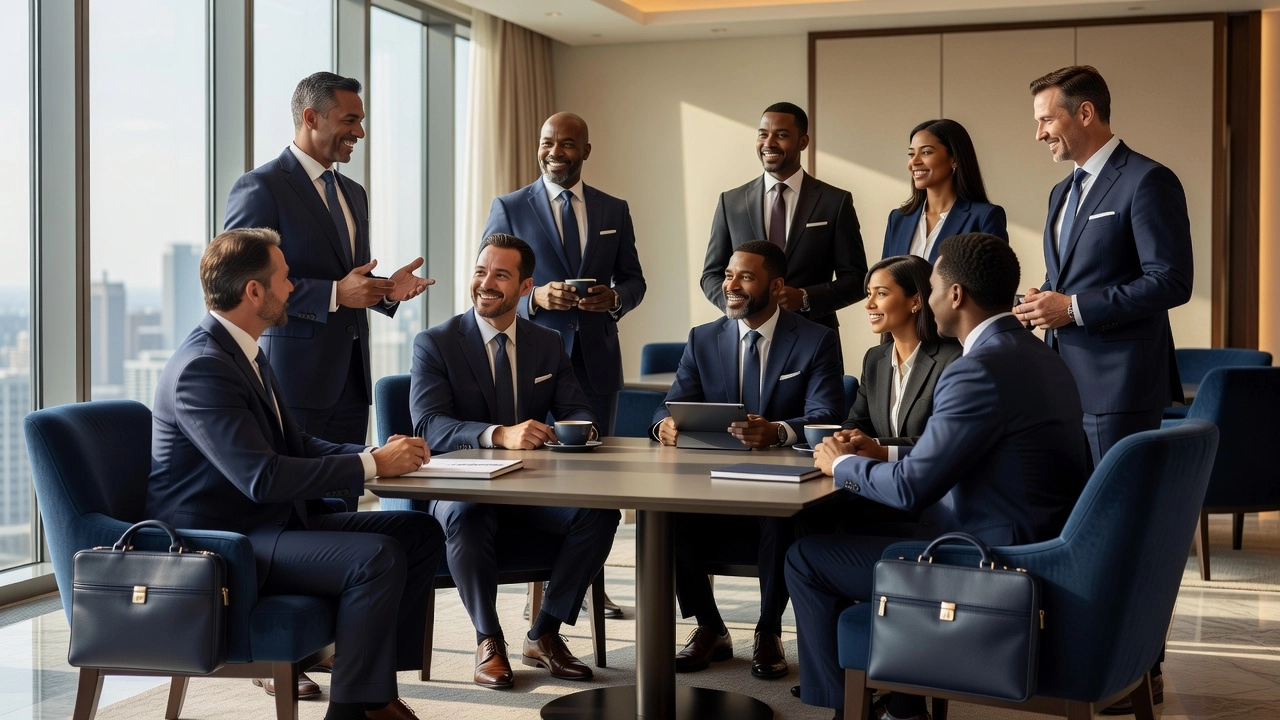
The way airline employees travel has shifted dramatically, and 2026 marks a defining moment in that evolution. If you have ever wondered what it truly means to embark on a staff travel voyage today, the answer is far more layered than simply booking a discounted seat and hoping for the best.
Industry changes, post-pandemic capacity adjustments, and evolving airline policies have reshaped every aspect of how staff travel operates. What once felt like a straightforward employee benefit now demands a strategic mindset, a solid understanding of industry protocols, and an awareness of how global aviation trends directly affect your chances of boarding.
In this analysis, we will break down what a staff travel voyage genuinely looks like in 2026, from standby dynamics and new digital booking platforms to the unwritten expectations placed on traveling employees. Whether you are a new hire navigating the system for the first time or a seasoned traveler refining your approach, this piece will give you a clearer picture of where staff travel stands today and what you should realistically expect every time you step into an airport as an industry insider.
From Perk to Strategic Programme: Reframing Staff Travel
For much of its history, staff travel sat firmly in the rewards column of an HR spreadsheet: something offered to top performers, distributed as a bonus, and evaluated primarily on cost. That framing is changing. Across sectors and organisational sizes, forward-thinking founders, CEOs and leadership teams are repositioning staff travel as a managed programme with defined intent, structured outcomes and genuine strategic purpose.
The scale of this shift is reflected in the numbers. The global incentive travel market was valued at $54.25 billion in 2024 and is projected to reach $85.22 billion by 2035, representing a compound annual growth rate of 4.19%. That trajectory is not driven by businesses spending more on perks. It reflects a growing body of organisational evidence that purposefully designed travel programmes contribute meaningfully to culture, motivation and retention, areas where leadership teams are under increasing pressure to demonstrate measurable impact.
Organisations using incentive and staff travel well tend to approach it as a signal as much as an experience. A carefully designed programme communicates that the business genuinely invests in its people, values relationships over transactions, and understands that meaningful shared experiences build the kind of team cohesion that internal meetings rarely achieve. As strategic shifts in corporate travel are now being discussed at leadership level, the conversation has moved decisively from procurement and HR administration into the boardroom.
The practical difference between a strategic programme and a reactive group trip is substantial. A programme built with intent includes clear objectives, considered destination selection, sequenced experiences and space for the moments that actually strengthen relationships. A trip booked to tick a box tends to deliver exactly that.
For founders and senior leaders, thinking of staff travel as a voyage, a deliberate journey with narrative, pacing and purpose, offers a useful design lens. It shifts the question from "where should we go?" to "what should this experience accomplish, and how should it feel to be part of it?" That shift in framing is where the real value begins. PURE ONE Business works with leadership teams at exactly this starting point.
What a Well-Designed Staff Travel Voyage Actually Involves
Reframing staff travel as a strategic programme is one thing; understanding what that programme actually requires to deliver is quite another. End-to-end programme management is considerably more involved than booking flights and arranging accommodation. A well-executed staff travel voyage draws together destination research, supplier selection and negotiation, venue contracting, delegate logistics, on-the-ground coordination and contingency planning, all of which demand specialist knowledge and sustained attention. When any single element is handled in isolation, the risk of gaps and inconsistencies increases significantly.
The process begins not with a destination, but with a clear brief. Before any location or venue enters the conversation, the purpose of the programme must be defined: what the organisation is trying to achieve, who is travelling, what outcomes are expected and what the budget envelope allows. This briefing stage is the foundation on which every subsequent decision is built. A programme designed to reward a high-performing sales team, for instance, calls for a fundamentally different approach than one intended to facilitate strategic leadership thinking or strengthen relationships within a professional community.
Destination selection follows from that brief, and it should always be led by fit rather than familiarity. The right setting for one group may be entirely wrong for another. A boutique coastal location in southern Spain might serve one objective beautifully; a city-based conference venue in a major European capital might suit another far better. Choosing a destination simply because it is well-known or convenient risks diluting the impact of the entire programme.
Delegate arrangements represent another layer of complexity that is easy to underestimate. From initial communications and travel coordination to managing individual requirements and ensuring a seamless arrival experience, every touchpoint shapes how participants perceive and value the programme. Consistency and care at each stage signal that the experience has been genuinely considered.
Working with a single specialist partner who oversees the complete programme removes the burden of coordinating multiple suppliers across different time zones and service categories. It also reduces materially the risk of critical details being missed. For organisations exploring the practical foundations of well-managed staff travel, resources such as the Staff Travel Voyage eligibility and industry framework offer a useful perspective on how travel industry professionals approach structured programme access and engagement.
The Trends Reshaping Staff Travel Programmes in 2026
Understanding where the market is heading matters as much as knowing what a programme involves. Several significant shifts are reshaping how organisations design and commission staff travel in 2026, and recognising them early allows leadership teams to make smarter, more purposeful decisions.
Wellness and restorative pacing have moved from afterthought to architecture. Research from the Incentive Research Foundation found that 89% of incentive travellers rank free time as the single most important factor in their experience. This is not simply a preference for lounging by a pool; it reflects a deeper demand for programmes that restore rather than deplete. Forward-thinking planners are responding by replacing back-to-back excursions with guided hikes, thermal spa rituals, forest bathing and breathing sessions, building intentional recovery into the structure of each day. A densely scheduled itinerary may feel thorough on paper, but it frequently produces the opposite of the intended outcome: participants return exhausted rather than energised.
Cultural immersion has become a genuine differentiator. Groups increasingly want to feel a destination rather than simply pass through it. Chef-led visits to local markets, hands-on artisan workshops, locally guided neighbourhood walks and curated access to places that visitors rarely discover on their own are now among the most valued programme elements. There is also a practical business case: immersive experiences of this kind have been shown to improve creativity, problem-solving and team cohesion in ways that conventional conference formats simply cannot replicate. The IRF 2026 Trends Report supports this shift, pointing to experience design as a core driver of measurable programme outcomes.
Short-haul premium travel is gaining significant traction. European destinations reachable within a few hours are increasingly favoured for their combination of genuine quality, reduced travel fatigue, lower carbon footprint and greater cost efficiency. Boutique coastal retreats in southern Spain, privately hosted experiences in rural Italy and alpine escapes in France offer a compelling proposition for organisations managing flat budgets without compromising on impact. For more on how incentive travel trends for 2026 are shaping destination choices, the evidence consistently points toward considered short-haul over ambitious long-haul.
Connection over choreography is the new benchmark for programme success. Curated small-group dinners, informal peer roundtables and unstructured time for genuine relationship-building consistently produce more meaningful outcomes than rigid, minute-by-minute schedules. Participants leave these programmes energised, with stronger professional relationships and a renewed sense of purpose. This is a shift with clear commercial logic: the goal of a staff travel programme is rarely the itinerary itself; it is the quality of the human connection it creates.
Sustainability has moved firmly from optional to expected. Participants in 2026 actively want to know that their travel contributes positively to the places it touches. Marine conservation partnerships, community reforestation projects, accommodation that funds local heritage preservation and ESG-aligned supplier choices are no longer niche additions; they are increasingly the standard against which programmes are measured. Organisations that treat sustainability as a genuine design principle rather than a footnote find that it strengthens both delegate engagement and wider brand values.
A European Perspective: Destinations Worth Considering
Much of the published thinking on incentive travel in 2026 continues to originate from US-based voices, oriented around destinations such as Cabo San Lucas, Miami and Las Vegas. For UK organisations looking to plan meaningful staff travel programmes, this creates a genuine information gap. European short-haul remains significantly underserved as a planning and content topic, despite offering some of the most compelling conditions for well-designed business experiences anywhere in the world.
For UK-based leadership teams, professional communities and growing businesses, destinations including Spain, Italy, France, Portugal and the Alps present a compelling case. Cultural richness, outstanding food and wine, varied natural landscapes and premium accommodation are all accessible within a few hours of departure from most UK airports. That proximity alone removes many of the logistical complications that make long-haul programmes harder to plan, harder to staff and harder to execute consistently across a diverse delegate group.
The character of specific settings matters enormously. A boutique coastal retreat on the Adriatic, a carefully chosen hilltop property in Tuscany or Umbria, or a private chalet in the French or Swiss Alps offers the kind of distinctive, considered environment that distinguishes a genuine voyage from a standard offsite or conference trip. These are places that create atmosphere, encourage conversation and shift the way people engage with one another. That shift is often precisely what a well-designed programme is trying to achieve.
Accessibility is a practical consideration that deserves more attention than it typically receives. Short-haul destinations reduce travel fatigue, simplify delegate logistics and make it far more straightforward to accommodate varied schedules, particularly for senior leaders or international delegates with limited flexibility. The operational difference between a three-hour flight and a twelve-hour journey is substantial when managing a group programme.
Destination selection should always be led by programme objectives rather than personal preference or habit. The setting that suits a leadership retreat centred on strategic reflection will differ considerably from the right location for a high-energy team incentive or a membership community gathering focused on peer connection. At PURE ONE Business, destination recommendation is always informed by what the programme needs to achieve, ensuring that where you go works in service of why you are going.
Who a Staff Travel Voyage Is Really For
The assumption that staff travel is designed for large employee cohorts is one worth examining carefully. In practice, the audience for a well-managed travel voyage is considerably broader and more varied. Executive leadership teams, founder peer groups, senior management cohorts, growing companies in the process of building organisational culture, and professional membership communities all represent distinct groups with a genuine and pressing need for this kind of programme. The distinction matters because the design logic, the outcomes sought, and the level of personal attention required differ meaningfully depending on who is travelling and why.
For founders and CEOs in particular, a well-designed travel programme offers something that is genuinely difficult to find elsewhere: unstructured time away from operational demands, in a setting that actively encourages strategic thinking, honest peer conversation and renewed perspective. Research from the Incentive Research Foundation consistently highlights that downtime is the single most important factor for incentive travel participants, with 89% of respondents placing it above activities, venues or itinerary variety. That finding applies with equal force to a leadership team as it does to any other group, perhaps more so given the cognitive load that senior roles carry.
Professional communities and membership organisations represent an almost entirely overlooked audience in this space. A carefully managed voyage can function as a flagship annual benefit: something tangible, memorable and genuinely valued that strengthens a sense of belonging and provides clear justification for membership. Few things build community cohesion as effectively as a shared experience designed with real intention.
On the question of group size, smaller does not mean simpler. A voyage for six senior leaders demands as much careful design as one for sixty delegates; in many respects, it demands considerably more. There is less margin for generic programming when every participant is visible, known and bringing specific expectations.
All-inclusive formats are growing in popularity for good reason. They simplify budgeting, remove the friction of on-the-ground costs, and create a more equal experience across groups where participants may be at different seniority levels or with different personal circumstances. According to current incentive travel trend research, rising food and beverage costs are accelerating this shift, making financial predictability an increasingly important factor for those commissioning programmes. PURE ONE Business works across all of these audience types, bringing the same rigour and personal attention to a six-person founder retreat as to a large-scale conference or incentive event.
What Separates a Meaningful Voyage from a Forgettable Group Trip
The distinction between a trip that people remember for years and one they forget within a fortnight rarely comes down to the destination. It comes down to intention, and how that intention is translated into every detail of the programme.
Philosophy before logistics. A meaningful voyage is built around a clear narrative arc: a deliberate sequence of connection, reflection, discovery and celebration that gives the experience shape and purpose. Rather than filling every hour with scheduled activity, the most effective programmes are designed so that each moment earns its place. A carefully considered opening evening sets a tone of ease and belonging. A mid-programme session creates space for genuine conversation. A closing experience anchors the memories. This kind of structural thinking is what separates a purposeful voyage from a collection of activities loosely arranged around flights and hotel rooms.
Pacing is not a luxury; it is a design principle. Overscheduled programmes are counterproductive. When participants feel managed rather than hosted, they arrive home depleted rather than energised, and the relational value of the experience is largely lost. Well-paced programmes build in protected downtime, optional activities and unhurried mealtimes, recognising that some of the most important conversations happen when no one is rushing to the next session. The bleisure travel data from Booking.com reinforces this: participants increasingly expect business travel to feel like a genuine benefit, with breathing space that allows personal enjoyment alongside professional purpose.
Personalisation signals that people are seen. Senior participants, in particular, notice the difference between a thoughtful, individual touch and a generic gift handed to everyone in the room. Acknowledgement of a specific contribution, a preferred room configuration, a dietary note remembered without prompting: these details communicate respect and attention in a way that no branded amenity kit can replicate.
The bleisure shift changes what participants expect. Business travel is increasingly understood as a workplace benefit rather than a functional necessity. Recent analysis of bleisure trends confirms that the majority of business travellers now want to extend or enrich their trips beyond the purely professional. Programmes that acknowledge this, whether by building in free time, selecting destinations with personal appeal, or enabling partners to join for part of the experience, generate considerably greater engagement and goodwill.
The people managing a programme determine its quality. A specialist partner brings something a generalist cannot: the combination of genuine travel knowledge, business understanding and personal service that makes the difference between a logistics exercise and a meaningful voyage. Supplier relationships, destination insight, contingency thinking and considered programme design are not interchangeable skills. They are developed over years, and they show in the detail.
PURE ONE Business brings more than four decades of travel-industry experience to every programme it manages. If you are considering a staff travel voyage and want it to deliver lasting value, we would welcome a conversation.
How to Start Planning a Staff Travel Voyage
The most effective starting point for any staff travel voyage is a clear statement of purpose, written down before a single destination is researched or a venue shortlist is assembled. Three questions are worth answering in writing at the outset: why is this programme happening, who is it genuinely for, and what would a successful outcome look like six months after everyone returns home? Budget parameters belong in this conversation too. Organisations that approach planning with defined intent and realistic financial boundaries consistently produce more coherent programmes, and structured corporate travel planning has been shown to reduce costs by 20 to 30 per cent compared with ad hoc approaches. Purpose is not a formality; it is the foundation every subsequent decision rests on.
Once purpose is established, the group itself deserves careful, honest consideration. Defaulting to a format that worked previously, or selecting a destination simply because it is familiar, is one of the most common ways a programme loses its distinctiveness. The right approach asks what will genuinely resonate with this particular group, at this particular moment in the organisation's journey. Their travel experience, professional context, expectations and wellbeing all shape what an appropriate programme looks like. A well-matched voyage contributes meaningfully to satisfaction and engagement; a poorly matched one achieves neither, regardless of the quality of the destination.
Appointing a specialist partner early in the process is one of the highest-value decisions an organiser can make. The most demanding coordination work in any staff travel voyage happens long before departure: supplier selection, delegate logistics, itinerary construction and destination research are all front-loaded, and attempting to manage them in-house alongside existing responsibilities typically produces a more stressful and less distinctive result. Early engagement allows the brief to be developed properly, timelines to be respected and the programme to be designed with real depth rather than assembled under pressure.
Breathing room in the itinerary is a deliberate design choice, not a gap to be filled. Overscheduling is a well-documented failure in group travel, and the best voyages are those that leave space for unhurried conversations, unexpected moments and genuine rest. These elements cannot be retrofitted once an agenda is fully committed; they have to be protected from the start. The value of thoughtful itinerary construction lies precisely in this balance between structure and openness.
Finally, think about legacy. The measure of a well-designed staff travel voyage is not what participants say immediately afterwards, it is what they still carry with them six months later. That means connecting the programme to the organisation's culture, values or strategic priorities in a way that is felt rather than stated. Post-voyage follow-through, whether through structured reflection, internal storytelling or simply creating space for participants to act on what they experienced, is what separates a memorable voyage from a pleasant trip. PURE ONE Business is well placed to help organisations think through that longer arc from the very beginning of the planning process. If you are considering a staff travel voyage and would like to explore what a purposeful, carefully managed programme might look like for your team, we would welcome the conversation.
Making the Voyage Count
A staff travel voyage, designed with genuine intent and managed end-to-end by a specialist partner, remains one of the most powerful tools available to a business for building culture, rewarding people and creating shared experiences that endure long after the journey home.
The principles that run throughout this piece are worth gathering together. Start with a clear statement of purpose. Choose destinations that genuinely serve your brief rather than defaulting to familiar choices. Prioritise pacing and build in meaningful downtime, given that research consistently shows that slow travel and considered programming produce stronger outcomes than dense, back-to-back itineraries. Build in moments of cultural depth. And work with a partner who understands both the mechanics of travel and the commercial context in which your organisation operates.
The 2026 landscape favours organisations willing to move away from over-programmed group trips toward considered, personalised voyages that leave participants genuinely energised and connected.
PURE ONE Business works with founders, leadership teams, growing companies and membership organisations to design and manage distinctive business travel programmes across the UK, Europe and selected international destinations. If you are considering a staff travel voyage and would like to explore what a well-designed programme might look like for your organisation, the team at PURE ONE Business would be glad to have a conversation.
Conclusion
Staff travel in 2026 is no longer a passive perk; it is an active skill set. The employees who thrive are those who understand standby dynamics, embrace digital booking platforms, and align their approach with current airline policies. Preparation and strategic thinking now separate a successful voyage from a frustrating one.
The landscape will continue evolving, and staying informed is your greatest advantage. Start by auditing your knowledge of your airline's current protocols, connecting with experienced colleagues who navigate the system regularly, and building flexibility into every trip you plan.
The reward for doing this work is real. Staff travel still represents one of the most extraordinary benefits in any industry, offering access to the world in ways most people simply never experience. Approach it with intention, and it will continue to deliver.
Explore more
About the author
Wesley Baker
Wesley Baker is the Founder and CEO of PURE ONE Group and a travel-industry entrepreneur with more than four decades of experience building and leading businesses across travel, technology and media. Through PURE ONE Business, he helps organisations create distinctive executive retreats, business experiences, meetings, incentives, conferences and events across the UK, Europe and selected international destinations. He is also a bestselling author and regular podcaster.
Related articles
Leadership retreats ·
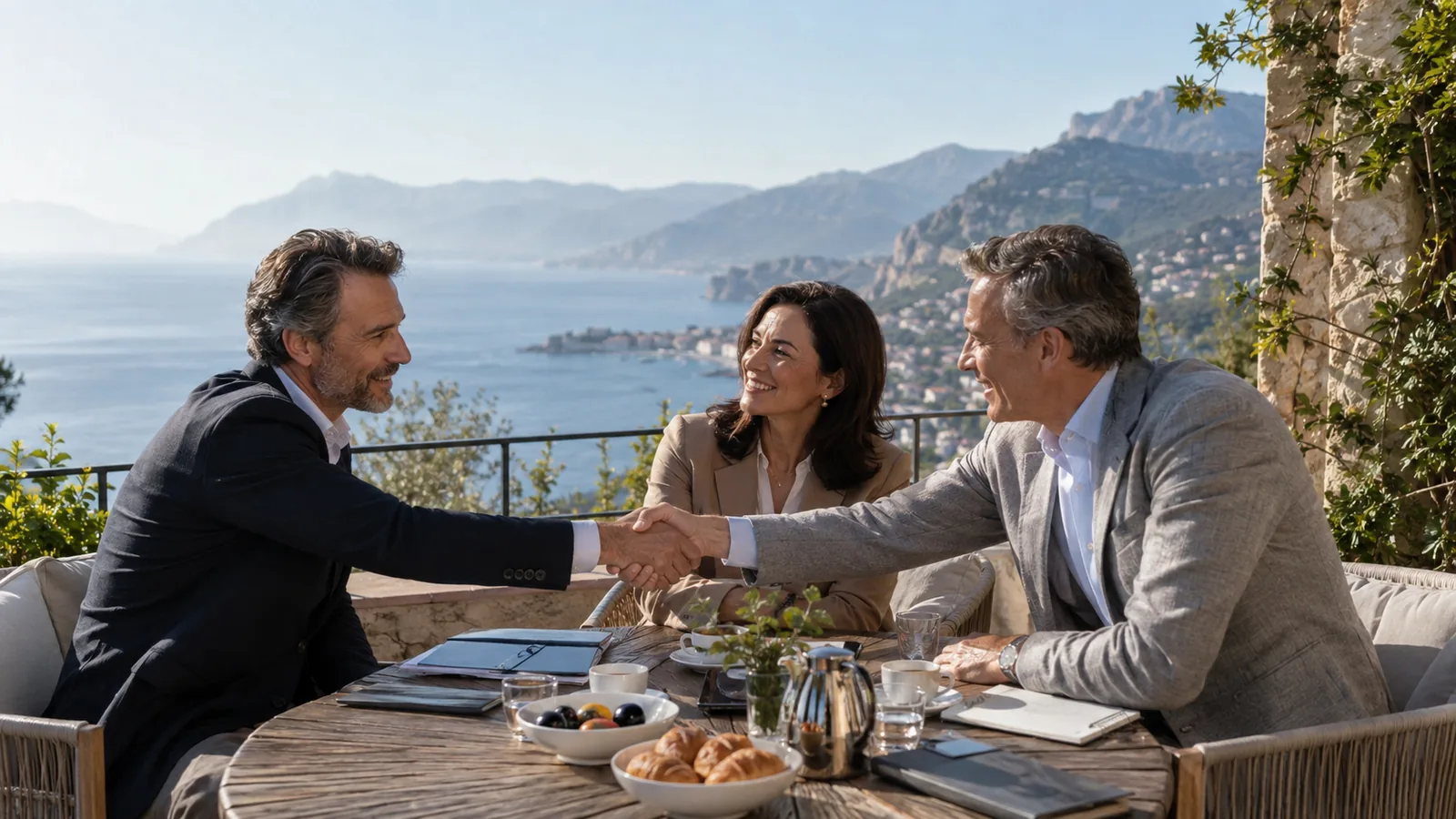
The New Boardroom Has a View: Why High-Quality Retreats Matter More Than Ever
Why the most valuable business conversations increasingly happen away from the office, and what separates a genuinely high-quality executive retreat from an away day.
By Wesley Baker
Read article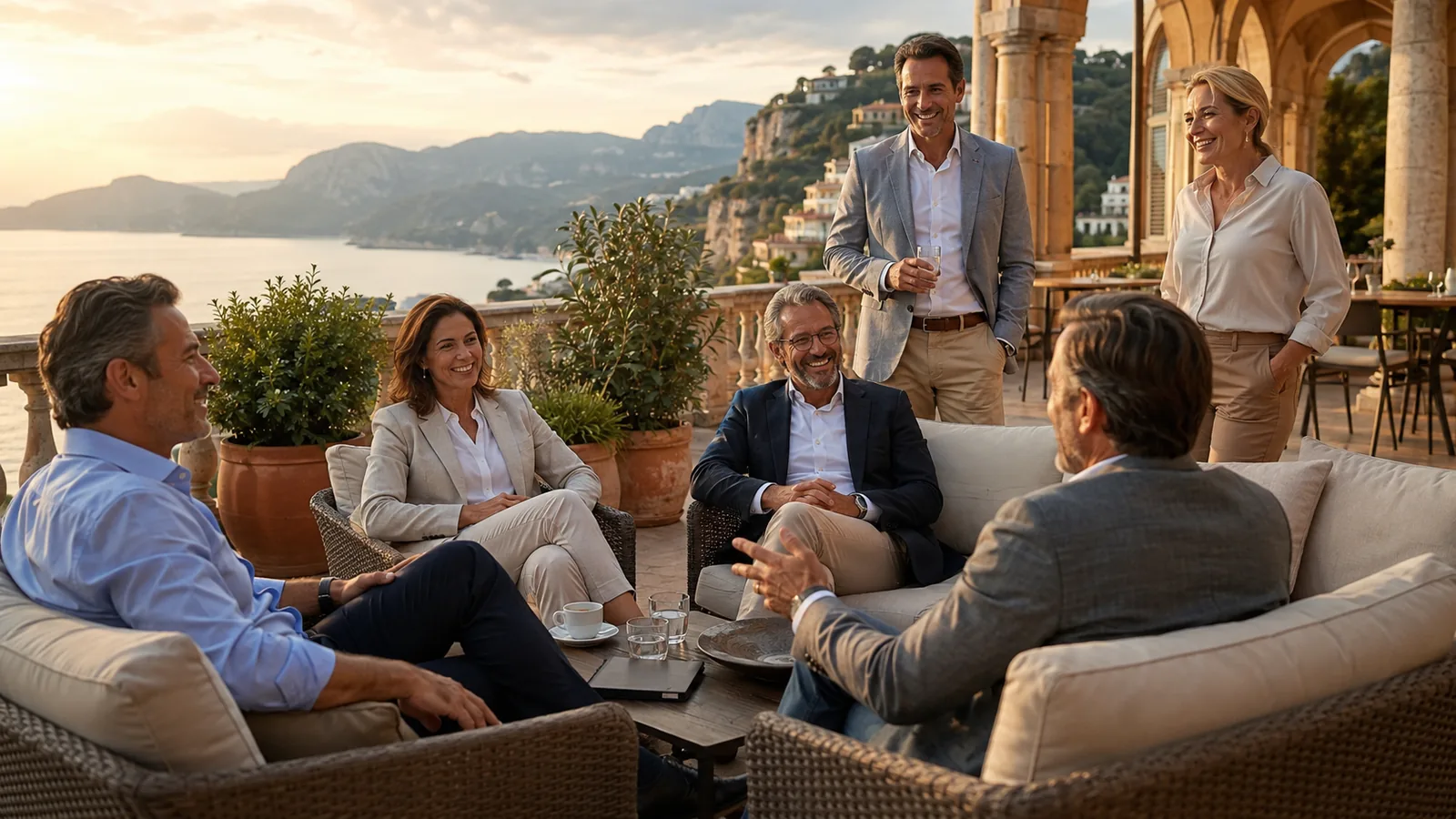
Leadership retreats ·
Executive Retreats Built by Business People, for Business People
Why PURE ONE Business designs executive retreats, leadership experiences and business networking events from a commercial perspective, for CEOs, CFOs, COOs, CMOs, founders and leadership teams.
By Wesley Baker
Read article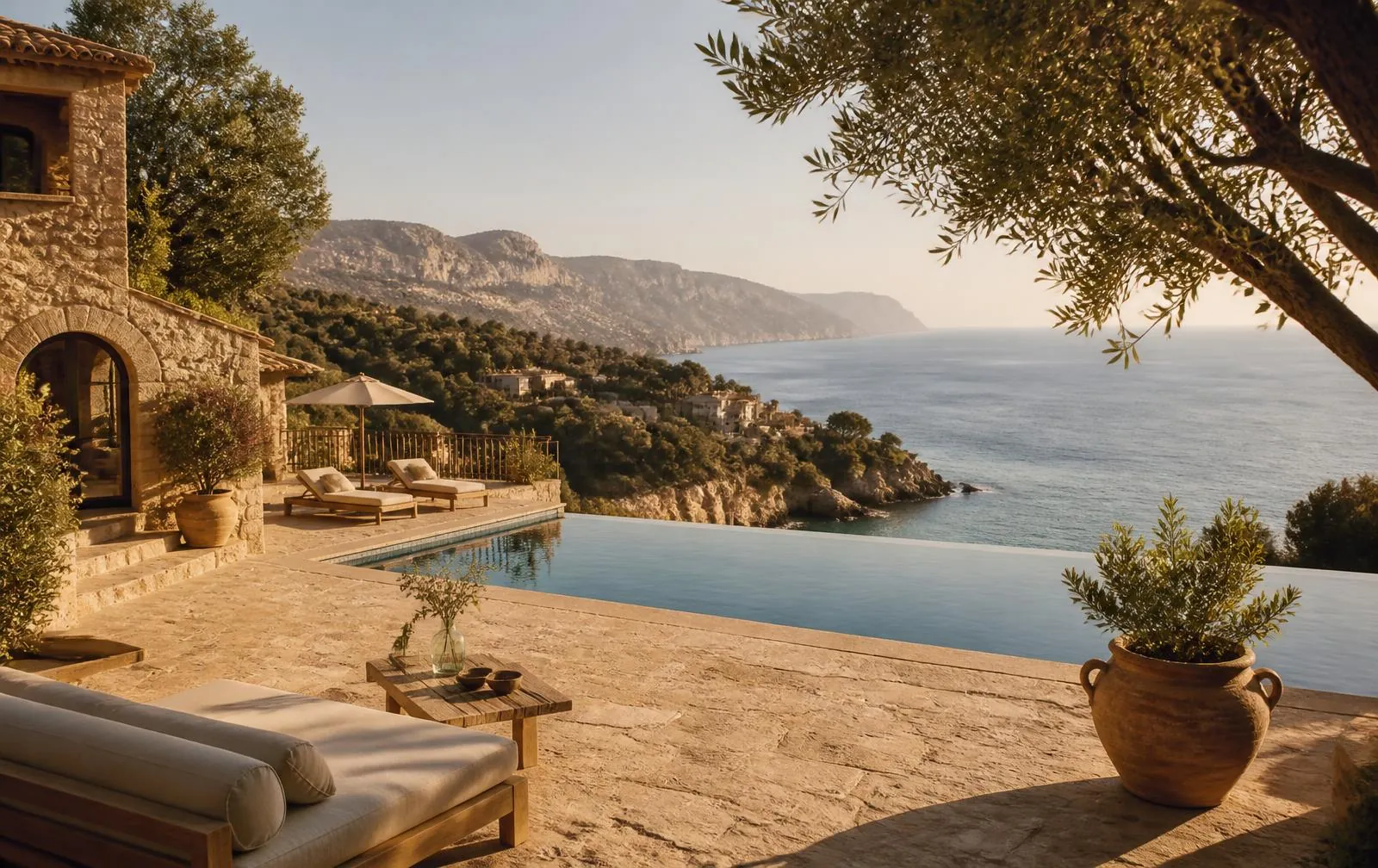
Destination intelligence ·
The In-Demand Retreat Destinations for 2027: Spain, Italy and the Balearics
Where business groups are heading in 2027: Spain, Italy and the Balearic Islands lead demand, with Portugal, Greece, Croatia and Morocco close behind.
By Wesley Baker
Read article